
Delivery Duty Paid vs Delivery Duty Unpaid: What Importers Need to Know About CARM and Prior-to-Payment in Canada
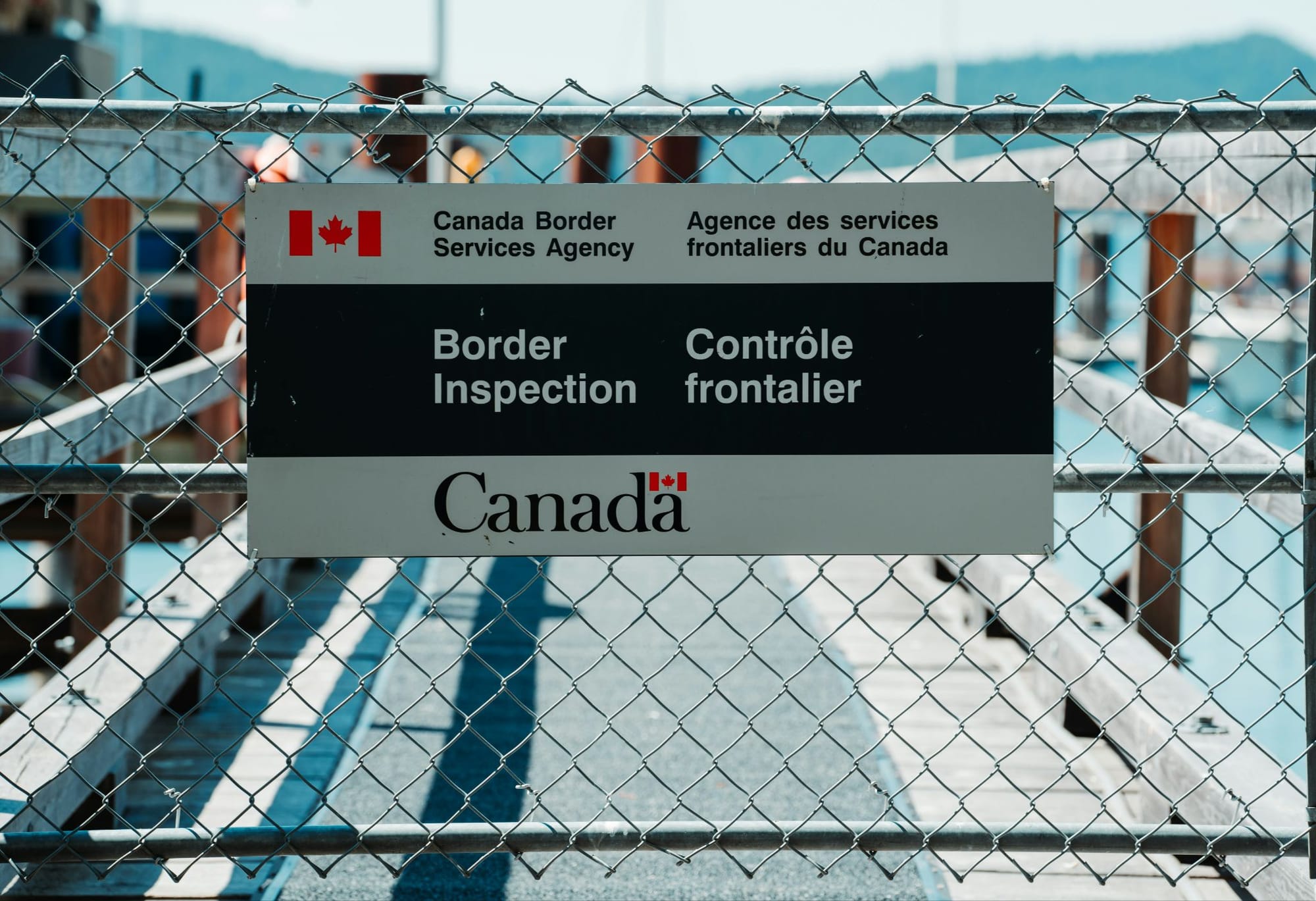
Importing into Canada? Understanding how customs, duties, and taxes work—especially under the new CARM system—can save you serious time and money.
If you’re a global seller shipping goods into Canada, whether via eCommerce or B2B distribution, you’ll encounter customs decisions that impact both cost and customer experience. This post explores:
- DDP vs DDU (Delivery Duty Paid vs Delivery Duty Unpaid)
- How CARM (CBSA Assessment and Revenue Management) changes the game
- What a Prior-to-Payment (PPP) program is and how to use it
What Is Delivery Duty Paid (DDP)?
DDP means the seller is responsible for all import charges—duties, GST, brokerage—before the goods reach the customer. You cover everything, so there are no surprise fees at delivery.
Pros:
- Frictionless customer experience
- More control over the shipping process
Cons:
- Higher up-front costs for the seller
- You must understand Canadian customs rules
Common for: eCommerce brands prioritizing customer experience.
What Is Delivery Duty Unpaid (DDU)?
DDU means the buyer pays duties and taxes upon delivery. Couriers like DHL or FedEx may bill the recipient before releasing the package.
Pros:
- Lower burden for the seller
- Simple for early-stage businesses
Cons:
- Poor customer experience
- Delays or refusals if customers aren’t expecting to pay
Common for: Lower-cost goods or marketplaces where price sensitivity is key.
What Is CARM?
CARM (CBSA Assessment and Revenue Management) is a modernization of Canada’s import system by the Canada Border Services Agency (CBSA).
CARM is mandatory for all importers into Canada and includes:
- A web portal for managing duties and taxes
- Direct payment options and real-time tracking
- Registration required for all importers by Fall 2024
If you import into Canada and don’t register for CARM, your goods may be held at the border.
What Is a Prior-to-Payment (PPP) Program?
The PPP program lets approved importers post a financial security deposit with the CBSA. This allows you to:
- Delay paying GST and duties until the goods are released into commerce
- Store goods in bonded warehouses without payment
- Manage cash flow more efficiently
Here’s how it works:
- You register for a CARM account and set up your business profile
- You post financial security (e.g., surety bond or cash deposit)
- You import goods and defer payment until after customs clearance
- You file a release declaration and pay when goods are distributed
Great for:
- Wholesalers and distributors
- eCommerce businesses importing in bulk
- Businesses with seasonal or delayed sales cycles
What You Need to Do
- Decide DDP or DDU: Which model fits your brand, pricing, and logistics?
- Register for CARM: It’s mandatory—set up your account with the CBSA now.
- Evaluate PPP eligibility: A financial security deposit could free up your working capital.
How Blutax Helps
Blutax supports importers with:
- Guidance on DDP vs DDU for your business
- Assistance with PPP program onboarding and security posting
- Ongoing GST compliance and customs audit readiness
Let us simplify your Canadian import process. Book a free discovery call today.